
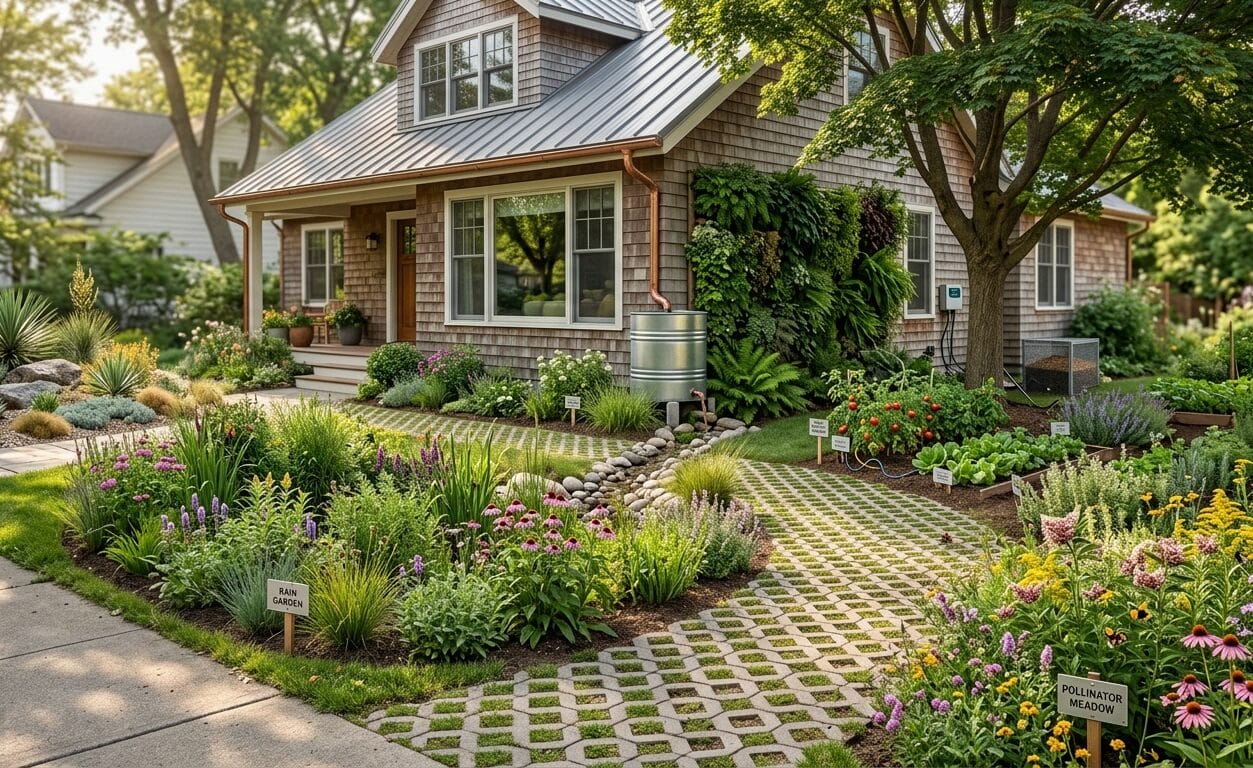
Residential landscaping continues to shift toward sustainability as homeowners look for outdoor spaces that balance appearance, functionality, and environmental responsibility. Modern landscape design no longer focuses only on visual appeal. It now includes water conservation, long-term maintenance, energy efficiency, and the use of natural systems that support healthier outdoor environments. Sustainable landscaping has become a practical approach that improves property value while reducing environmental impact.
Homeowners are moving away from designs that require excessive watering, constant upkeep, and short-term solutions. Instead, they are investing in outdoor spaces built for durability and efficiency. Sustainable landscaping creates environments that work with local conditions rather than against them. This approach reduces waste, lowers maintenance demands, and creates landscapes that remain functional over time.
Companies like Kodiak Landscape Design help homeowners develop outdoor spaces that combine modern aesthetics with environmentally conscious planning. Sustainable landscaping requires more than selecting plants with low water needs. It involves understanding drainage, soil quality, sunlight exposure, and long-term growth patterns. Every design decision contributes to how efficiently the landscape performs over time.
One of the most significant trends in residential landscaping is the use of native plants. Native species adapt naturally to regional climates, making them more resistant to local weather conditions and pests. Because these plants already thrive in the environment, they require less water, fertilizer, and maintenance compared to non-native varieties. This reduces both environmental impact and long-term upkeep costs.
Water conservation continues to shape modern landscape design. Traditional lawns often demand large amounts of irrigation, especially during warmer months. Sustainable landscaping replaces excessive turf areas with drought tolerant plants, decorative gravel, mulch, and efficient irrigation systems. Drip irrigation has become increasingly common because it delivers water directly to plant roots with minimal waste. This method improves efficiency while helping plants remain healthier.
Rainwater management also plays a major role in sustainable residential design. Poor drainage can damage landscapes and create erosion problems over time. Homeowners now incorporate rain gardens, permeable pavers, and grading systems that direct water naturally through the property. These solutions reduce runoff while supporting healthier soil conditions.
Outdoor living spaces remain highly popular, but the focus has shifted toward materials and layouts that support sustainability. Patios, pathways, and retaining walls now often use natural stone, recycled materials, or permeable surfaces that allow water absorption. These features improve drainage while creating durable outdoor environments that require less maintenance.
Kodiak Landscape Design incorporates sustainable principles into functional outdoor spaces that support everyday living. The goal is not only to reduce environmental impact but also to create landscapes that remain attractive and practical for years. Sustainable design balances beauty with performance, ensuring that outdoor spaces continue to evolve without requiring constant reconstruction.
Pollinator friendly landscaping has also become more common in residential properties. Homeowners are choosing plants that attract bees, butterflies, and birds to support local ecosystems. These gardens create movement and natural activity within the landscape while contributing to biodiversity. Pollinator gardens also reduce dependence on chemically treated lawns and heavily managed flower beds.
Low maintenance landscaping continues to influence design choices as homeowners seek efficient outdoor solutions. Gravel pathways, ornamental grasses, evergreen shrubs, and ground cover plants reduce mowing and trimming requirements. These features create visually balanced landscapes without the labor demands associated with traditional lawns and high maintenance gardens.
Tree placement has become more strategic in sustainable landscaping. Trees provide shade that helps regulate outdoor and indoor temperatures. Proper placement can reduce heat around patios, walkways, and windows, improving comfort while lowering cooling costs during warmer seasons. Deciduous trees also allow sunlight through during colder months, supporting seasonal energy efficiency.
Outdoor lighting has evolved as well. Energy efficient LED systems now dominate residential landscape design because they consume less electricity and require less replacement over time. Solar powered lighting has also gained popularity for pathways and garden areas. These systems improve visibility and safety without significantly increasing energy use.
Soil health has become a greater focus in sustainable landscaping practices. Healthy soil supports stronger plant growth and better water retention. Composting, mulching, and reduced chemical use help maintain balanced soil conditions naturally. This reduces the need for synthetic fertilizers while improving long-term landscape stability.
Modern sustainable landscapes also emphasize flexibility. Outdoor spaces now serve multiple purposes rather than functioning only as decorative areas. A single backyard may include dining space, native plant gardens, shaded seating, and water conscious greenery integrated into one cohesive design. This multifunctional approach increases usability without expanding the physical footprint of the property.
Artificial turf has gained attention in areas where water conservation is critical, though many homeowners still prefer natural alternatives with lower environmental impact. Sustainable design often favors reducing turf coverage instead of replacing every lawn area entirely. Mixed landscapes with native plants and smaller lawn sections create a balance between functionality and resource conservation.
Hardscape design continues to evolve toward sustainability as well. Permeable pavers allow rainwater to filter into the soil rather than flowing into storm drains. Recycled stone and reclaimed wood reduce the environmental impact associated with sourcing new materials. These choices create outdoor spaces that remain durable while supporting more responsible construction practices.
Climate adaptability is becoming essential in residential landscaping. Homeowners increasingly seek designs capable of handling changing weather patterns, including heat, drought, and heavy rainfall. Sustainable landscapes use plant selections and drainage systems that remain resilient under different environmental conditions. This reduces long-term repair costs and preserves the integrity of the outdoor space.
Minimalist landscape design has also become closely connected to sustainability. Clean layouts with fewer unnecessary elements reduce maintenance demands while creating visually calm environments. Simple pathways, organized plant groupings, and intentional open spaces support both efficiency and modern design preferences.
Kodiak Landscape Design focuses on creating landscapes that align with these evolving priorities. Sustainable landscaping requires long-term planning rather than temporary visual improvements. Each material, plant selection, and structural element must contribute to the overall performance of the space. Proper planning ensures that the landscape matures naturally while remaining manageable and visually balanced.
Edible landscaping has emerged as another growing trend in residential design. Homeowners are integrating herbs, fruit trees, and vegetable gardens into decorative outdoor spaces. This approach combines practicality with sustainability by turning landscaping into a functional food source while maintaining visual appeal.
The use of natural barriers instead of synthetic fencing has also increased. Hedges, shrubs, and layered planting designs provide privacy while supporting wildlife and reducing the need for manufactured materials. These living barriers integrate more naturally into the landscape and improve the overall environmental quality of the property.
Sustainable landscaping also supports long-term property value. Buyers increasingly recognize the benefits of efficient irrigation systems, low maintenance plantings, and environmentally conscious design. Landscapes that reduce utility costs and require less upkeep often stand out in competitive housing markets.
Technology now plays a larger role in outdoor sustainability as well. Smart irrigation systems monitor weather conditions and soil moisture to reduce unnecessary watering. Automated lighting systems improve energy efficiency while maintaining convenience. These technologies help homeowners manage landscapes more effectively without excessive resource use.
Outdoor wellness spaces have become another important part of sustainable residential design. Quiet seating areas, shaded gardens, and natural pathways encourage more interaction with outdoor environments. These spaces support relaxation and mental well being while reinforcing the connection between nature and everyday living.
The long-term success of sustainable landscaping depends on thoughtful planning and proper execution. Poorly designed landscapes may still waste resources even when using environmentally friendly materials. Professional guidance ensures that drainage, plant selection, and layout all function together effectively.
Sustainable landscaping is no longer treated as a niche concept in residential design. It has become a practical standard for homeowners seeking efficient, durable, and visually balanced outdoor spaces. By focusing on water conservation, native planting, energy efficiency, and low maintenance solutions, modern landscapes provide long-term value without sacrificing appearance.
Companies like Kodiak Landscape Design continue to shape this shift by creating landscapes that integrate sustainability into every stage of design. Their approach combines functionality, environmental awareness, and modern aesthetics to develop outdoor spaces that perform well for years while adapting to changing residential needs.


