
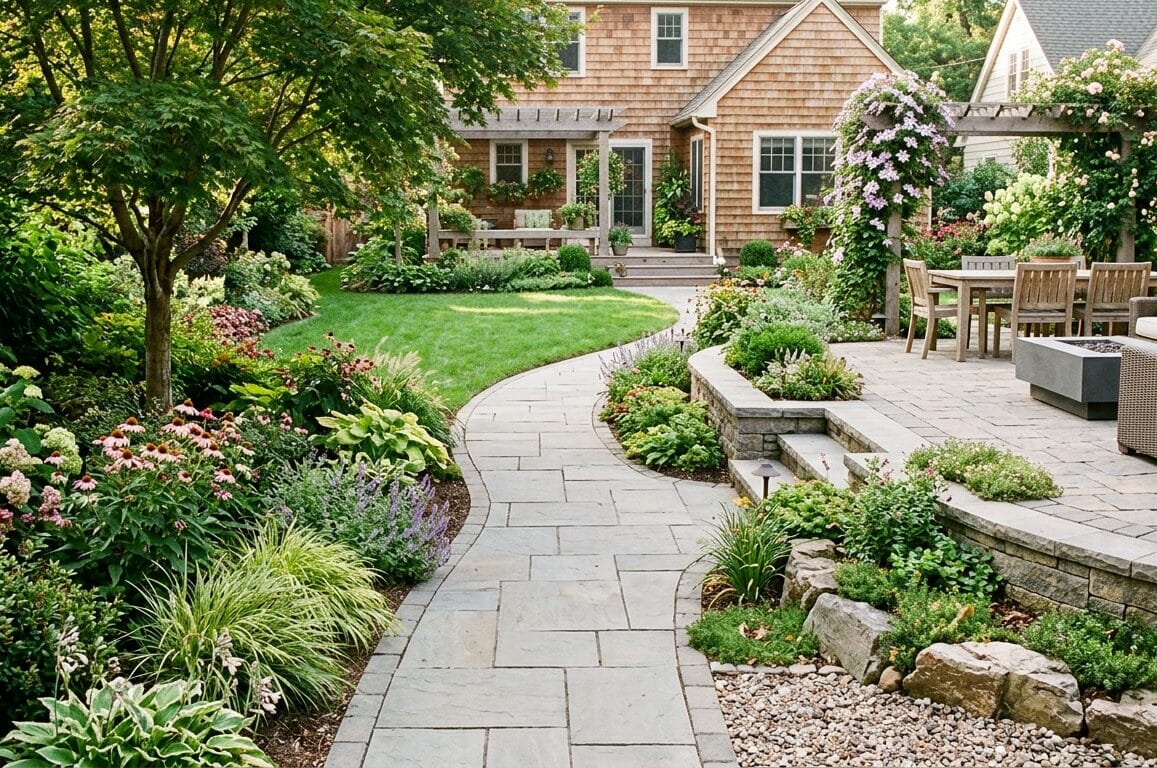
Many homeowners want a yard that looks beautiful, works well for daily life, and adds value to their property. Achieving that goal often requires balancing two key elements: hardscaping and landscaping. While many people treat these as separate ideas, the most impressive outdoor spaces combine both in a way that feels natural and functional.
Understanding how these elements work together can transform an ordinary yard into a welcoming outdoor environment. A well planned outdoor space includes structure, greenery, texture, and open areas that support relaxation and entertainment. When homeowners learn how to blend these elements, they create outdoor spaces that feel balanced and inviting.
Homeowners who explore professional outdoor planning often begin with services from Kodiak Landscape Design to develop a layout that integrates natural features with structural elements. This approach helps ensure that every part of the yard contributes to a unified design.
Hardscaping refers to the non living elements of an outdoor space. These include patios, walkways, retaining walls, outdoor kitchens, fire pits, driveways, and stone features. These elements provide structure and define how people move through and use the yard.
Landscaping focuses on the living components. This includes grass, trees, shrubs, flowers, and garden beds. Landscaping adds color, softness, and seasonal interest that change throughout the year.
When both are used together, they create contrast and balance. Hard surfaces give the yard shape and usability while plants soften those surfaces and bring the space to life. Without this balance, a yard may feel either too rigid or too overgrown.
A yard built entirely with stone, concrete, or brick can feel cold and uninviting. While these materials create strong visual structure, they lack the warmth and movement that plants provide. On the other hand, a yard filled only with plants can feel unorganized and difficult to maintain.
The key is balance. Hardscaping should guide the layout of the yard while landscaping fills the space with natural beauty. Walkways lead people through gardens. Patios open into planted areas. Retaining walls frame beds of greenery.
Designers at Kodiak Landscape Design often start by mapping how people will use the outdoor space. Once that structure exists, plants are placed to soften edges and enhance visual appeal.
Hardscaping provides several practical benefits that shape how an outdoor space functions. One of the most important advantages is durability. Stone patios, paver walkways, and retaining walls withstand weather and heavy use while maintaining their appearance.
Hardscaping also creates usable outdoor living areas. A patio becomes a place for dining, entertaining, and relaxing. Fire pits extend outdoor use into cooler seasons. Outdoor kitchens allow homeowners to cook and gather outside.
Another advantage involves drainage and erosion control. Retaining walls and stone borders help manage slopes and prevent soil from washing away during storms. Walkways protect grass and plants from foot traffic.
These structural elements create the foundation of a yard’s design. When they are installed with careful planning, they organize the space and guide the placement of natural elements.
Landscaping plays an equally important role by bringing life, color, and movement into the yard. Plants create texture and soften the edges of patios, walkways, and walls.
Trees provide shade and privacy. Shrubs add structure to garden beds. Flowers introduce color and seasonal interest that changes throughout the year. Grass and ground cover create open spaces that balance stone surfaces.
Landscaping also improves environmental health. Plants help absorb rainwater, support pollinators, and cool surrounding areas during warm weather. This natural function makes landscaping a valuable part of any outdoor design.
A thoughtful combination of plants and hard surfaces creates a yard that feels comfortable and welcoming. The natural elements make the space feel relaxed while the structural elements keep it organized.
Designers at Kodiak Landscape Design often focus on how plants frame and enhance structural features. This ensures the yard looks cohesive rather than divided between separate sections.
The process of balancing hardscaping and landscaping begins with understanding how the yard will be used. Some homeowners prioritize entertainment areas while others prefer garden focused spaces.
A patio often serves as the central gathering area. From this space, walkways lead to different parts of the yard such as garden beds, seating areas, or lawns. Plants can frame these pathways and soften transitions between areas.
Scale plays an important role in achieving balance. Large patios may require surrounding planting beds to reduce the visual weight of stone surfaces. Smaller yards benefit from compact hardscape features paired with layered plantings.
Another important factor involves spacing. Plants should not overcrowd structural features. Instead, they should frame those features and highlight their shapes.
Color coordination also improves harmony. Stone tones should complement nearby plants while foliage colors contrast gently with hard surfaces. This approach creates visual flow throughout the yard.
One of the most effective ways to integrate hardscaping and landscaping involves layering. This technique combines elements at different heights to create depth.
Ground level includes grass, ground cover, and low plants that border walkways or patios. Mid level elements include shrubs and ornamental grasses that frame outdoor living areas. Taller layers include trees that provide shade and vertical interest.
Hardscape elements fit naturally within these layers. A stone path runs through ground cover. A retaining wall supports a raised garden bed. A pergola stands above seating areas surrounded by plants.
Layering prevents the yard from feeling flat or empty. It also creates a natural transition between different elements.
Another important design strategy focuses on flow. Outdoor spaces should guide people naturally from one area to another.
Walkways help create this movement. Curved paths encourage exploration while straight paths create direct connections between spaces. Plants along these paths soften the edges and make the route feel inviting.
Transitions between spaces should feel smooth. For example, a patio may connect to a lawn through a short path lined with plants. This approach prevents abrupt visual changes.
Lighting can also support flow by highlighting paths and key features during the evening.
When hardscaping and landscaping follow a unified flow, the entire yard feels connected.
Maintenance is another important factor when balancing these elements. Hardscaping typically requires less regular care than plants. However, too much stone can increase heat and reduce natural drainage.
Landscaping requires seasonal trimming, watering, and occasional replacement. Choosing plants suited to the local climate helps reduce maintenance demands.
A balanced design spreads maintenance evenly across the yard. Stone surfaces remain stable and functional while plants provide natural beauty without overwhelming upkeep.
Professional planning can help homeowners select materials and plants that match their maintenance preferences. Designers at Kodiak Landscape Design understand how to create spaces that remain attractive year after year.
Many homeowners also consider property value when planning outdoor improvements. A yard that blends hardscaping and landscaping often increases curb appeal and attracts potential buyers.
Outdoor living spaces have become one of the most desirable home features. Patios, fire pits, and outdoor kitchens expand usable space beyond the house. When these features integrate with surrounding gardens, they create a complete outdoor environment.
A well balanced yard also photographs well, which matters when homes appear in listings. Structured layouts combined with lush greenery create a polished appearance that stands out.
Even small improvements can make a difference. Adding stone walkways through gardens or framing a patio with planting beds can elevate the overall design.
Homeowners who want to achieve this balance often begin with a design consultation that evaluates the yard’s layout, soil conditions, sunlight exposure, and slope.
From there, designers develop a plan that combines structural elements with natural features in a cohesive way. This process prevents costly mistakes and ensures each feature supports the overall design.
Working with experienced professionals such as Kodiak Landscape Design helps homeowners visualize possibilities they may not have considered. Outdoor spaces often evolve when designers combine creativity with practical planning.
Ultimately, the most successful yards feel both organized and natural. Hardscaping provides the structure that supports everyday activities while landscaping brings life and seasonal beauty.
When these elements work together, the yard becomes more than a collection of features. It becomes an outdoor environment where homeowners can relax, entertain, and enjoy nature.
A balanced approach ensures that patios, pathways, gardens, and trees complement each other rather than compete for attention. The result is a space that feels intentional, comfortable, and visually appealing throughout the year.
Homeowners who invest in thoughtful outdoor planning create environments that improve both daily living and long term property value. By blending structural design with natural beauty, any yard can become a space that feels both functional and inspiring.